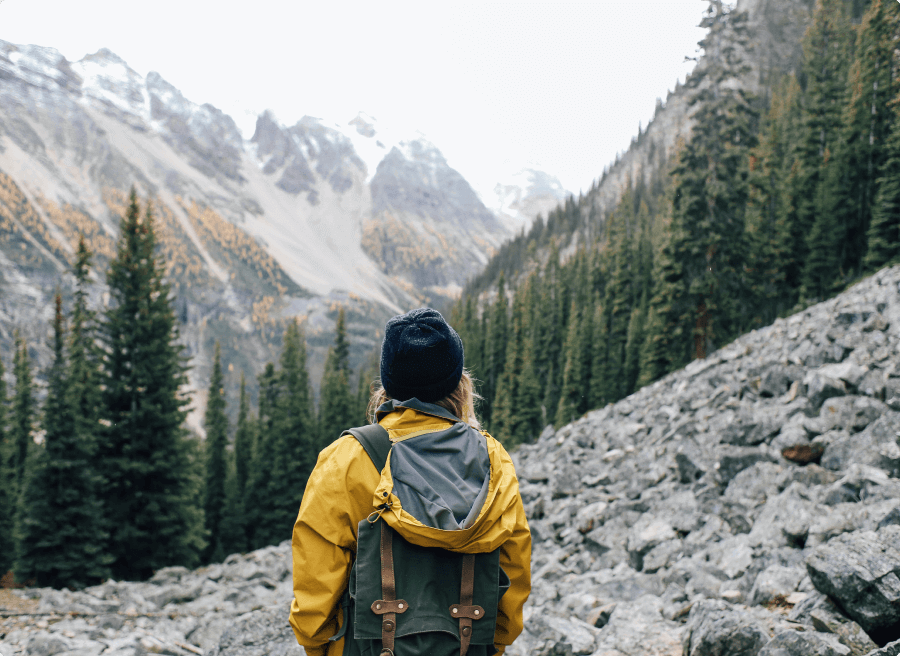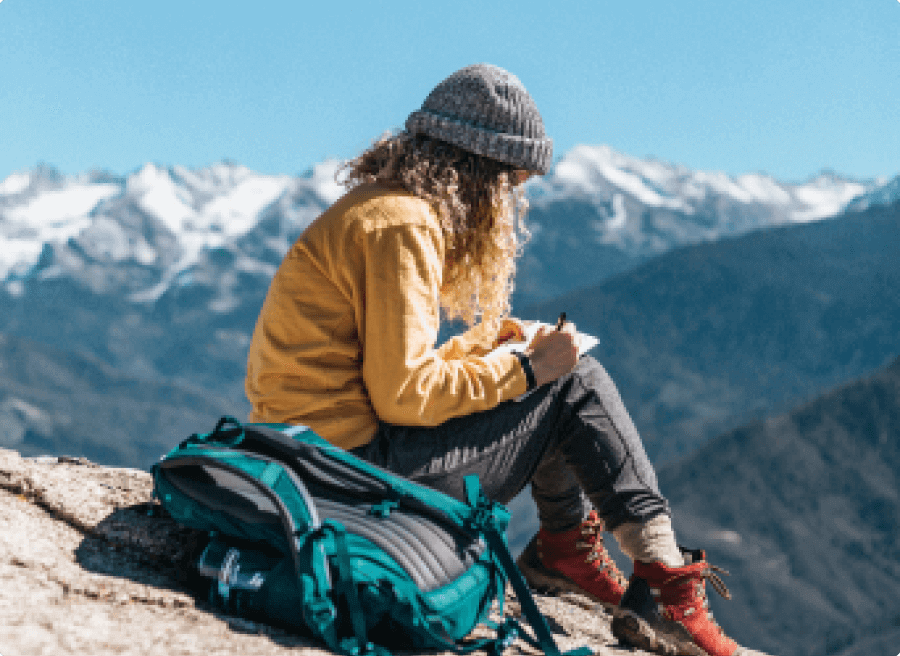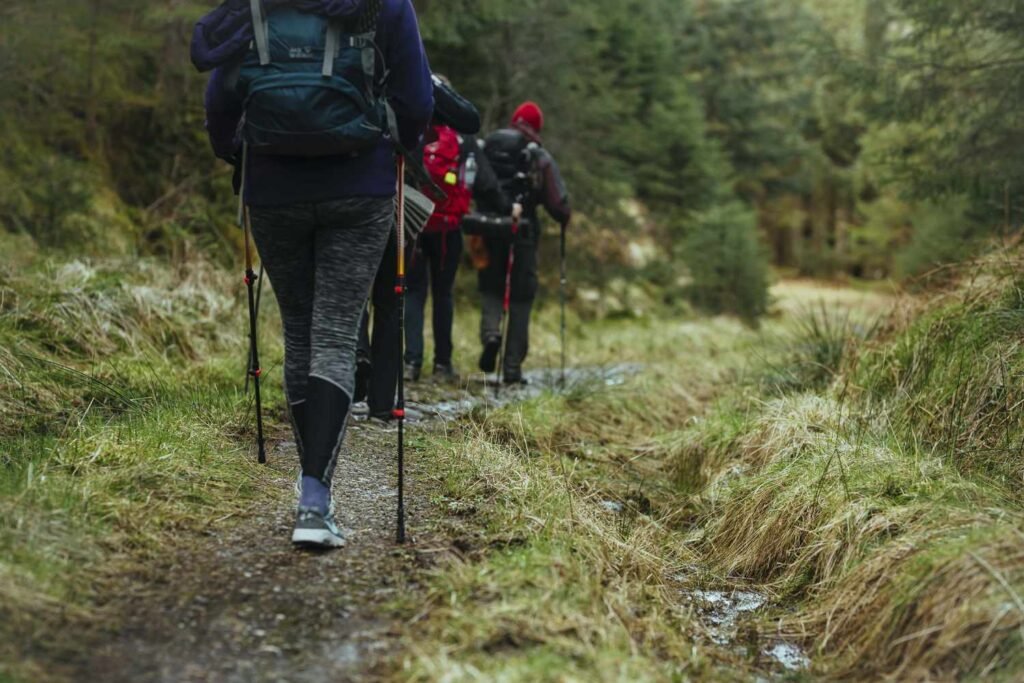
Embarking on your first hiking adventure can be exciting, but being properly equipped is key to staying safe and enjoying the experience. Our hikers’ starter pack provides everything you need to hit the trails with confidence. From durable backpacks and supportive footwear to essential navigation tools and weather-ready apparel, this starter pack ensures that new hikers are prepared for a variety of terrains and conditions. Whether you’re planning a short day hike or a multi-day trek, having the right gear makes all the difference in comfort, safety, and overall enjoyment.
The right equipment, paired with basic hiking knowledge, transforms your adventure from a casual walk into a rewarding, memorable experience. A thoughtfully assembled hikers starter pack gives beginners the tools they need to navigate, stay safe, and fully appreciate the beauty of the outdoors.
Hiking for Beginners: Top Tips to Make Your First Treks Successful
Hiking is an excellent low-impact workout that offers both physical and mental benefits. Studies show it can reduce anxiety, improve cardiovascular health, and even help prevent osteoporosis. Unlike walking on a treadmill or paved path, hiking introduces new variables like uneven terrain, weather changes, and wildlife — all part of the adventure! For those just starting out, these Hikers Starter Pack tips will help ensure your first treks are safe, enjoyable, and memorable.
1. Start Small and Choose the Right Trail
Select a trail slightly shorter than your usual walking distance on flat terrain. Estimate your hiking pace at roughly 2 miles per hour, then add an hour for every 1,000 feet of elevation gain. Starting with manageable distances allows you to build endurance and confidence. After one or two hikes, you’ll have a better understanding of what distance and elevation changes work best for you.
2. Familiarize Yourself with the Trail
Obtain a map and review trail reports online. Determine whether it’s a loop or requires backtracking, and note any intersecting trails that could cause confusion. Scout for scenic rest spots like lakes, viewpoints, or peaks to enhance your experience. A well-prepared hiker knows their route before setting out.
3. Check the Weather
Check the forecast leading up to your hike and again a few hours before departure. This helps you dress appropriately, pack smartly, and adjust plans if conditions are unsafe. Weather changes quickly on trails, so having the right layers and waterproof gear is crucial — all included in a reliable hikers starter pack.
4. Inform Someone About Your Hike
Always let someone know your route and expected return. Include a “worry time” — several hours after your planned finish — to account for delays, scenic stops, or unexpected challenges. Safety is a top priority, especially for beginners.
5. Pack the 10 Essentials
The 10 essentials are systems to keep you safe outdoors. Tailor them to your hike’s length and remoteness. Your hikers starter pack should include:
- Navigation: map & compass
- Sun protection: sunglasses & sunscreen
- Insulation: extra clothing
- Illumination: headlamp/flashlight
- First-aid supplies
- Fire: waterproof matches/lighter/candle
- Repair kit & tools
- Nutrition: extra food
- Hydration: extra water
- Emergency shelter: tent, tarp, or emergency blanket
These essentials cover the basics, allowing beginners to focus on enjoying the trail without unnecessary stress.
6. Wear the Right Shoes and Socks
Invest in quality hiking shoes and moisture-wicking socks — wool or synthetic. Avoid cotton, which retains moisture. Pack blister dressings as a precaution. Proper footwear ensures comfort and prevents injury, a key feature of any hikers starter pack.
7. Dress for Success
Layer clothing with breathable, moisture-wicking fabrics. Add or remove layers based on temperature and weather, and include a windproof, warm outer layer. Proper layering helps regulate body temperature and keeps you comfortable on changing trails.
8. Keep Your Pack Light
Choose compact, travel-size versions of items wherever possible. Light gear reduces fatigue and allows you to enjoy the trail longer. Every ounce matters when you’re carrying your essentials in a hikers starter pack.
9. Pace Yourself
Start at a sustainable pace. Conserve energy for uphill climbs and longer sections. Maintaining a steady rhythm prevents exhaustion and ensures you finish strong.
10. Leave No Trace
Respect nature. Follow the Leave No Trace principles, pack out all trash, and help preserve trails for everyone to enjoy. Responsible hiking ensures these natural spaces remain beautiful for future adventurers.
Final Word & Call-to-Action
With the right preparation, hiking is a rewarding way to connect with nature, improve fitness, and relieve stress. A thoughtfully designed hikers starter pack helps beginners feel confident, prepared, and safe on every trek.
👉 Ready to hit the trails? Explore Wild Pro Adventures’ hiking packages and start your adventure with our guided treks today!