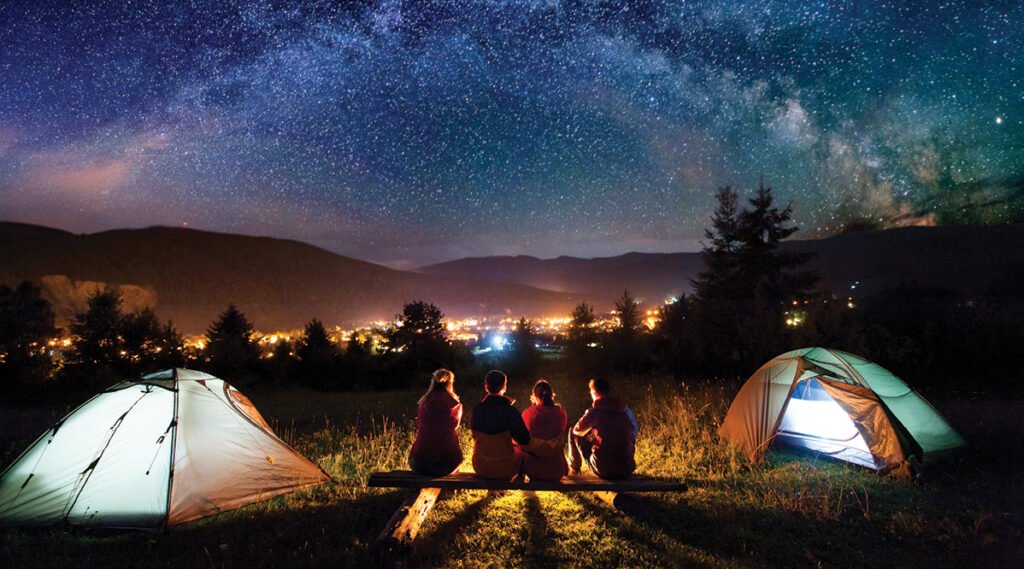
Shelter is one of the basic physiological needs, as outlined by Abraham Maslow. For outdoor lovers, camping tents provide that shelter — but your comfort depends just as much on where you pitch them. This is why selecting a campsite is so important. Even with the best sleep system, a poor campsite can ruin your night. You might struggle on hard-packed ground, lose patience with a noisy neighbor 15 feet away, or stay awake while high winds shake your tent. A good campsite is the foundation of restful sleep, making it essential to be deliberate and thoughtful when choosing where to stay.
Selecting a Campsite: Proven Checklist for Your Next Adventure
Shelter is one of the basic physiological needs, as highlighted by Abraham Maslow. For outdoor lovers, tents provide that shelter — but where you pitch them makes all the difference. That’s why selecting a campsite is one of the most critical skills for campers and backpackers. Even with the best tent and sleep system, a poor campsite can ruin your night: hard-packed ground can leave you sore, noisy neighbors can keep you awake, and wind or water hazards can turn your adventure into a struggle. A great campsite ensures restful sleep and sets the tone for the next day’s trek. This Campsite Selection Checklist will help you find the perfect spot every time.
General Location: Where to Start Looking
By halfway through your day, you should already be considering where to camp that night. On your map, identify areas that are:
- Flat – for the best chance of finding level ground.
- Near water and firewood – but not so close as to risk flooding or wildlife encounters.
- Off-trail – to respect other hikers’ wilderness experience.
- Above valleys or canyons – since these collect cold, damp air.
- Away from animal trails – to avoid unexpected night visitors.
- Safe from natural hazards – such as avalanches, flash floods, or rockfall.
- Far from insect breeding grounds – like bogs, stagnant ponds, or swampy meadows.
Before pitching a large group tent, have everyone lie down in their proposed sleeping spots to ensure comfort and spacing.
Deciding on a Specific Spot
Once you’ve narrowed down a general area, refine your campsite selection by looking for:
- Natural ground cover – pine needles, moss, or sand are softer and warmer than bare dirt.
- Windbreaks – trees, bushes, or rocks can shield your tent and retain heat.
- Dry ground – since wet soil drains warmth from your body.
- Flood safety – avoid low spots where rainwater could pool.
- Wildlife awareness – always stay clear of animal paths or habitats.
- Natural contours – choose a slope that matches your preferred sleeping position.
Tip: After identifying a potential spot, lie down on the ground first. If it feels comfortable, mark head and foot positions with rocks before pitching your tent. If not, adjust until you find the right fit.
The “5 W’s” of Campsite Safety
To simplify the process, remember the five wilderness factors that make or break a campsite:
- Wind – shelter from strong gusts.
- Water – access nearby, but not too close.
- Widow makers – avoid camping under dead trees or loose branches.
- Wood – ensure firewood availability.
- Wildlife – respect their space to avoid trouble.
Camping Don’ts
- Don’t pitch your tent on fragile vegetation or flowers.
- Avoid rare alpine plants, mosses, or ecologically sensitive areas with short growing seasons.
- Remember: once damaged, many plants may not survive the winter.
Final Word & CTA
A safe and comfortable night outdoors begins with making smart choices about where you sleep. Using this Campsite Selection Checklist helps you stay warm, safe, and well-rested, so you can fully enjoy your mountain adventure.
👉 Ready to turn camping into a full adventure? Discover Wild Pro Adventures’ guided treks and mountain expeditions — where expert guides help you with everything from selecting a campsite to summiting iconic African peaks. Book your next adventure with us today!