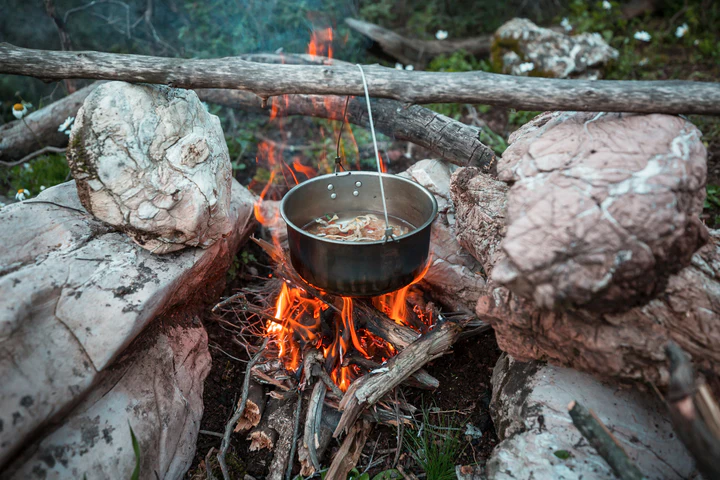
Food is survival — but in the wild, it’s also about creativity, knowledge, and resilience. The Wild Survival Guide: How to Survive and Thrive While Eating in the Wild is your essential companion for understanding how to find, prepare, and cook food when modern conveniences aren’t around. From identifying edible plants and foraging for natural resources to mastering fire-making and cooking techniques, this guide goes beyond the basics. It shows you not only how to stay alive in the wilderness but how to thrive, turning survival into an empowering outdoor adventure.
What Is the Universal Edibility Test?
The universal edibility test is a survival procedure you can use to determine whether plants and berries in the wild are safe to consume. As part of the Wild Survival Guide, this test gradually exposes your body to the plant over a series of steps, helping you identify safe food sources in a controlled, methodical way.
Performed over the course of a day, the test involves chewing, cooking, and consuming small portions of a plant while monitoring your body’s reaction. By following these steps, you reduce the risk of ingesting harmful toxins and increase your chances of thriving in a wilderness survival scenario. Even if a plant appears safe, always perform the universal edibility test to ensure your safety.
The Universal Edibility Test Steps
Foraging for wild food can be fun and potentially life-saving, but safety is paramount. The Wild Survival Guide emphasizes performing a systematic edibility test to avoid dangerous plants. Here’s how to do it:
- Look for common poisonous traits. Avoid mushrooms and plants with milky sap, fine hairs, spines, umbrella-shaped flowers, or shiny, waxy leaves. Green and white berries often indicate inedibility. Select a large quantity of one plant so that, once tested, you have a reliable food source.
- Separate the plant. Not all parts of a plant are safe. Split flowers, roots, leaves, and stems, testing each part individually. Always research whenever possible before consuming wild plants.
- Skin contact test. Rub the selected plant part on your inner forearm, inside of the elbow, or outer lip. Wait 15 minutes. If there’s no tingling, burning, or reaction, proceed to the next step.
- Taste test. Taste a small portion of the plant and wait five minutes. If adverse reactions occur, spit it out and rinse your mouth with water. Otherwise, continue.
- Bigger taste test. If the taste is safe and not bitter or soapy, chew one teaspoon for five minutes, then swallow and wait eight hours.
- Eat a small amount. If no digestive issues occur, consume one tablespoon and wait another eight hours. If still safe, consider this plant part edible.
- Take precautions. Some edible plants have toxic look-alikes, or parts like stems or bark may be poisonous. Always use common sense, and follow the guidance from your Wild Survival Guide.
Universal Edibility Test Tips
- Empty stomach. Perform the test on an empty stomach with plenty of water and no other foods.
- Gather enough plant parts. Ensure you have enough to eat if it proves edible; the test takes at least sixteen hours.
- When in doubt, skip it. Avoid plants that show signs of toxicity or spiky hairs if unsure.
- Avoid almond-scented plants. A raw or burnt almond scent usually indicates cyanide toxicity.
- Check foliage. Avoid plants resembling dill, parsley, or parsnip greens.
- Trust your taste. Bitter or soapy flavors are nature’s warning — spit it out immediately.
Mastering these techniques is a core part of the Wild Survival Guide, giving you the confidence to forage and eat safely while thriving in the wild.
Final Word & Call-to-Action
Whether you’re an outdoor enthusiast, survivalist, or just curious about wild foraging, following the Wild Survival Guide can turn uncertainty into empowerment. From identifying safe plants to cooking and preparing food in the wild, these skills are essential for anyone wanting to survive — and thrive — outdoors.
👉 Ready to level up your survival skills? Discover more practical tips and hands-on experiences with our Wild Survival Programs and take your outdoor adventures to the next level!